🐾
How Much Water Should a Dog Drink Per Day?
Water is the most critical nutrient your dog consumes every day — and most dog owners have no idea whether their dog is drinking enough. Unlike food, where the bag tells you exactly how much to give, hydration is invisible until something goes wrong.
The Basic Formula
The veterinary standard is simple: dogs need approximately 1 ounce (30 ml) of water per pound of body weight per day.
That means:
- A 10 lb dog needs about 10 oz (1.25 cups) per day
- A 30 lb dog needs about 30 oz (almost 4 cups) per day
- A 60 lb dog needs about 60 oz (7.5 cups) per day
- A 90 lb dog needs about 90 oz (over 11 cups) per day
These are baseline numbers under normal conditions — moderate temperature, moderate activity. Hot weather, vigorous exercise, illness, or a dry kibble diet all increase requirements significantly.
Factors That Change How Much Your Dog Needs
Diet
Dogs eating dry kibble need considerably more water than dogs eating wet food. Dry kibble is only about 10% moisture, while wet food is 70–80%. If your dog eats dry food exclusively, their water bowl is doing more work than you might think.
Activity Level
A dog who runs for an hour needs significantly more water than a dog who lounged on the couch all day. Working dogs, sporting breeds, and dogs who hike or swim regularly should have water available at all times — not just at mealtimes.
Weather and Temperature
On hot days, dogs pant to cool down, and panting burns water fast. In summer, your dog's water needs can increase by 50% or more. Always have fresh, cool water available outdoors.
Health Status
Certain conditions dramatically increase thirst: diabetes, kidney disease, Cushing's disease, and urinary tract infections all cause excessive drinking. If your dog suddenly starts consuming significantly more water than normal, it's worth mentioning to your vet.
Age
Puppies dehydrate faster than adult dogs. Senior dogs often drink less because their sense of thirst dulls with age — but their kidneys need just as much fluid. Both ends of the age spectrum need close monitoring.
Signs Your Dog Is Dehydrated
Dehydration in dogs is more common than most owners realize, particularly in summer. Watch for:
- Dry or sticky gums — healthy gums are moist and slick; dehydrated gums feel tacky
- Sunken or dull eyes — the eyes lose their usual brightness and depth
- Skin tent test — gently pinch the skin at the back of the neck. In a hydrated dog it snaps back immediately; in a dehydrated dog it returns slowly or stays tented
- Lethargy or weakness — dogs often slow down visibly when dehydrated
- Loss of appetite — dehydration frequently suppresses hunger
Mild dehydration can often be corrected with access to fresh water. Moderate to severe dehydration requires veterinary intervention — do not wait.
Why Some Dogs Don't Drink Enough
Still or Stale Water
Dogs — and cats especially — are instinctively drawn to moving water. In the wild, still water is more likely to be contaminated. Moving water signals freshness. Many dogs who ignore a water bowl drink eagerly from a running tap.
A pet water fountain solves this by keeping water circulating continuously. In studies comparing still bowls to fountains, pets drink meaningfully more water from a flowing source. If your dog is a reluctant drinker, The Flow Electric Pet Water Fountain circulates water through a triple filtration system 24/7, which many dogs find far more appealing than a static bowl.
Bowl Placement
Dogs are less likely to drink from bowls placed in isolated or low-traffic areas. Keeping water where your dog spends most of their time increases intake naturally.
Bowl Material
Some dogs dislike the smell of plastic bowls, especially as they age and accumulate scratches where bacteria grow. Switching to stainless steel or ceramic often helps.
Keeping Your Dog Hydrated on the Go
Water at home is easy. The challenge is outdoor hydration — hikes, dog parks, travel, and long walks in the heat. Dogs can dehydrate quickly during exercise, and finding clean water mid-trail is not always possible.
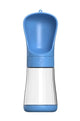
The Trail Sipper integrates a water bottle and collapsible bowl in a single unit, with one-handed dispensing and no separate bowl to carry. Fill it before you leave, clip it to your bag, and your dog has clean water wherever you go.
The Bottom Line
- Daily target: 1 oz per pound of body weight (baseline)
- Dry kibble diet: increase by 20–30%
- Hot weather or high activity: increase by 50%+
- Warning signs: dry gums, sunken eyes, skin tent, lethargy
- Sudden thirst spike: worth a vet visit
Water is not exciting, but it is the single daily factor with the greatest impact on your dog's long-term health — and it costs nothing to get right.
Get pet care tips straight to your inbox
Weekly guides, product picks, and exclusive offers for pet parents.