🐾
How to Keep Your Dog Cool in Summer
Heat is a genuine danger for dogs. Unlike humans, dogs can't sweat efficiently — they regulate temperature almost entirely through panting, which becomes increasingly ineffective as heat and humidity rise. The breeds most at risk (brachycephalic dogs like Bulldogs and Pugs, heavy-coated double-coat breeds, overweight dogs, and senior dogs) can go from comfortable to dangerously overheated faster than most owners realize. Here's what actually works.
Know the Signs Before It's an Emergency
Heat exhaustion and heat stroke are different things. Recognizing heat exhaustion early — before it progresses to heat stroke — is the difference between a manageable situation and a vet emergency.
Early warning signs (heat exhaustion): excessive panting, drooling heavily, reduced activity, appearing confused or disoriented, seeking shade and refusing to move.
Emergency signs (heat stroke): bright red or pale gums, vomiting, inability to stand, seizures, body temperature above 104°F. At this point, active cooling and immediate veterinary care are required simultaneously.
If you see early warning signs, move your dog to a cool space and offer water immediately. Cool (not cold — ice cold water causes blood vessel constriction that slows cooling) water on paws, ears, and the groin area is effective. Never muzzle a dog who is panting heavily.
Adjust the Walk Schedule
This one is obvious but worth stating because many owners underestimate how dramatically ground temperature differs from air temperature. On a 90°F day, asphalt can reach 140°F or higher. At that temperature, paw pads blister in 60 seconds.
The test: put your hand flat on the pavement for 7 seconds. If you can't hold it there, the surface is too hot for your dog's paws. Walk before 8am or after 7pm when temperatures and ground surfaces have cooled. Keep walks shorter than usual during heat advisories.
For dogs who need walks on hot pavement, protective booties create a barrier between sensitive paw pads and hot ground. Most dogs need a few practice sessions at home before tolerating them comfortably outdoors.
The Cooling Mat: Passive and Effective
Pressure-activated cooling mats use a gel layer that absorbs body heat through contact — no electricity, no freezing required. Your dog lies on it, and the gel absorbs heat from their body, temporarily lowering skin surface temperature. The mat recharges itself within 20–30 minutes of non-use.
The Cool Down mat is waterproof, durable enough for outdoor use, and compact enough to roll up for travel. Works on floors, in kennels, in the car, or under a desk. Many dogs figure out within one use that the mat is cool and will seek it out independently.
Not a substitute for moving a dog out of direct heat — it lowers surface temperature but won't bring down core body temperature in a dog that's already overheated. Best used as a preventive tool in warm indoor spaces, on patios, or post-walk cooldowns.
Hydration: More Than Just Putting Out Water
Dogs are opportunistic drinkers — they drink when water is available and easy to access, not on a schedule. In hot weather, you need water accessible at every location where your dog spends time: multiple bowls inside (dogs won't always walk from the bedroom to the kitchen to drink), a bowl on the patio, and portable water on every walk.
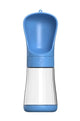
On walks, a two-in-one portable water bottle makes mid-walk hydration practical without carrying a separate bowl. The fold-out tray fills from the bottle and drains unused water back in when released — no waste, no soggy hands.
Cold water is fine and often more appealing to dogs in heat. You can add ice cubes to the water bowl. Some dogs enjoy licking ice blocks directly — a low-tech enrichment activity that also serves hydration needs.
Never Leave a Dog in a Parked Car
At 85°F outside, the interior of a car reaches 102°F within 10 minutes and 120°F within 30. Cracking windows has no meaningful effect on this. A dog left in a car on a hot day is in danger within minutes. This applies even in mild weather — 70°F outside can still produce lethal interior temperatures in direct sun.
Grooming for Heat
Shaving double-coated dogs (Huskies, Golden Retrievers, German Shepherds) is counterproductive. The double coat insulates against heat as well as cold — removing it disrupts the temperature regulation system that evolution spent thousands of years building. Regular brushing to remove dead undercoat is helpful. Shaving is not.
For short-haired dogs with darker coats, a damp towel draped over the back during outdoor time in direct sun provides meaningful cooling. The dark coat absorbs more heat — keeping it wet reduces that absorption.
The Bigger Picture
Hot weather management for dogs comes down to three variables: temperature exposure, hydration, and access to cooling. Get those three right and most dogs handle summer comfortably. The ones who struggle most are dogs who've been gradually conditioned to a certain level of exercise and then face a sudden heat spike — their owners haven't adjusted yet, but the dog's limits have.
Check the heat index before every summer walk. When in doubt, shorter and cooler beats longer and hot every time.
Get pet care tips straight to your inbox
Weekly guides, product picks, and exclusive offers for pet parents.